Here you will find news relevant to the activities of the initiative including webinars, talks, consulting projects, publications, participation in conferences and meetings mostly relevant to resilience of critical infrastructure with emphasis on transport and energy assets and their intra/interdependencies, views on the UNs Sustainable Development Goals and use of digital and emerging technologies in infrastructure resilience- and sustainability-based management
16
Mar 26
Announcing the UCL Centre for Global Infrastructure Resilience
Infrastructure systems around the world are increasingly exposed to compounding threats — from climate extremes and cascading failures to geopolitical disruptions and cyber-physical risks.
To address these challenges, we have launched the Centre for Global Infrastructure Resilience at UCL, a platform dedicated to redefining how infrastructure systems are designed, analysed, and managed in an era of uncertainty.
The Centre brings together two major initiatives:
MetaInfrastructure.org
Developing threat-agnostic resilience frameworks for future infrastructure ecosystems. Our work integrates AI, digital twins, and generative design to support adaptive, sustainable, and people-centric infrastructure aligned with the UN SDGs and Net Zero goals.
BridgeUkraine.org
Supporting sustainable post-conflict reconstruction through data-driven approaches that combine satellite imagery, digital twins, AI decision frameworks, and community engagement. The initiative already brings together 70+ institutions and more than €2.25M in funding to support Ukraine’s resilient recovery.
Across these initiatives, the Centre focuses on:
• AI-enabled infrastructure resilience and digitalisation
• Climate adaptation and compound risk modelling
• Circular and sustainable reconstruction strategies
• Infrastructure stress-testing through counterfactual engineering
• Capacity building and global training programmes
Together, these efforts have already secured over £9M in competitive funding and built an international network of researchers, engineers, policy experts, and institutions.
Our mission is simple but ambitious:
To redesign infrastructure resilience for a world of complex, cascading risks.
We look forward to collaborating with researchers, governments, industry partners, and international organisations to accelerate resilient and sustainable infrastructure worldwide.
28
Nov 25
MetaInfrastructure group Hosts a hybrid workshop at UCL
MetaInfrastructure group hosted a hybrid workshop at University College London, The Bartlett School of Sustainable Construction, a full-day event bringing together more than 20 researchers, teaching fellows, project managers, and international collaborators who are driving world-leading innovation at the intersection of resilient, sustainable, and digital infrastructure.
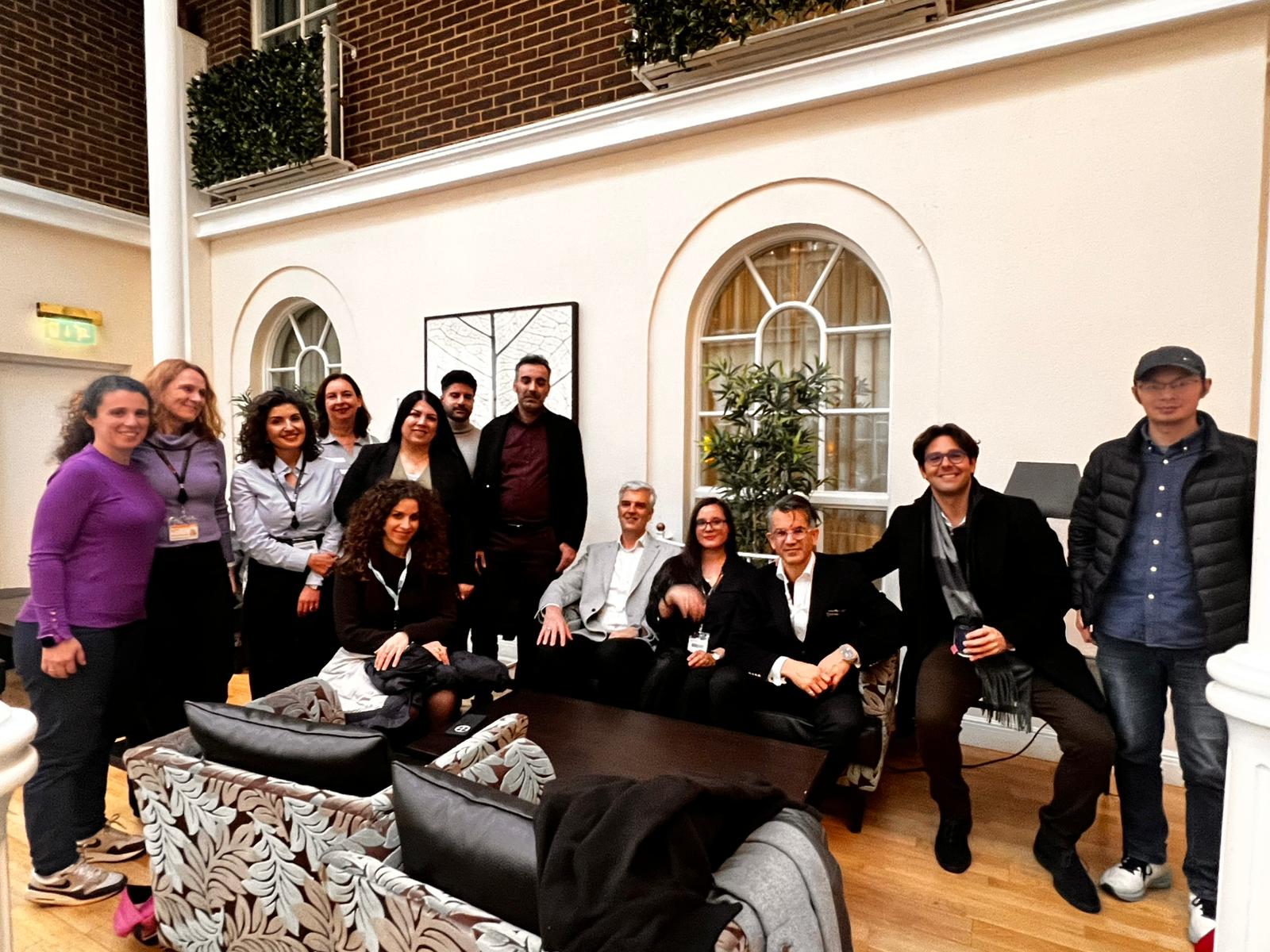

Our MetaInfrastructure group continues to grow rapidly, delivering exceptional impact through:
- 15 active research projects across the UK, Europe, and internationally
- Major publications, including contributions to Nature and a strong pipeline of high-impact journal outputs
- A team strengthened by new researchers, teaching fellows, and professional project managers
- Ground-breaking advancements in future built environments, digital twins, climate resilience, smart cities, and sustainable construction
We remain committed to strengthening our diversity, and we are proud of the significant efforts we are making to open opportunities for all. For an engineering-focused group, we are leading the way — building an inclusive, supportive, and globally connected community.
A special thank-you goes to our distinguished external speakers:
Prof. Natalya Shakhovska, Rector (Vice-Chancellor), Lviv Polytechnic National University, Ukraine – for an inspiring talk on research strategy supporting Ukraine’s reconstruction; and
Prof. Xinzheng Lu, Tsinghua University – for sharing cutting-edge insights into structural engineering, GENAI design, and digital innovation.


We also acknowledge the contributions and participation of our growing international team:
- Prof Stergios-Aristoteles Mitoulis
- Dr Sotirios Argyroudis
- Nadiia Kopiika
- Dr Raffaele Cucuzza
- Dr George Karagiannakis
- Dr Roberta Di Bari
- Dr Ivan Izonin
- Dr Yiming Xiang
- Dariia Berestok
- Dr Shchasiana Arhun
- Dr Stavros Sakellariou
- Dr Eleonora Perugini
- Dr Jinsheng Wang
- Kalliopi Moysiadi
- Beghal Rasool
- Dr Khrystyna Myroniuk
- Henrry Rojas-Asuero
- John Agbo
- Mohammed Almousa
- Seyyed Mohammad Hosseini
7
Nov 25
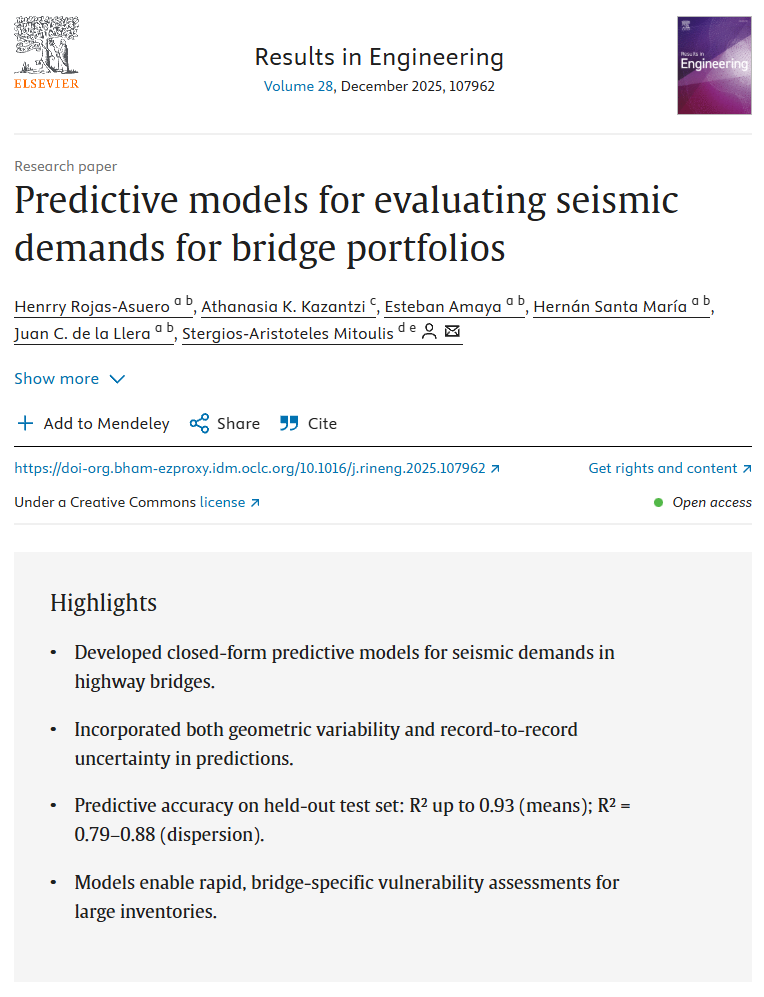
New publication in Results in Engineering (Elsevier, Q1, IF 7.9): Predictive models for evaluating seismic demands for bridge portfolios
In collaboration between UCL (The Bartlett), the International Hellenic University, and Pontificia Universidad Católica de Chile, this work introduces a new methodology for assessing bridge portfolios under seismic hazard.
Key contribution
While seismic intensity is commonly used as the dominant parameter for structural demand, this paper demonstrates that earthquakes with the same intensity level can lead to dramatically different structural responses. This is due to variations in:
- Frequency content
- Duration
- Spectral characteristics of ground motion
This record-to-record variability represents a major source of aleatory uncertainty in seismic assessment.
What the methodology offers
The article proposes an integrated workflow that:
- Explicitly quantifies record-to-record variability
- Uses nonlinear time-history analysis for realistic structural response
- Employs statistical modelling and closed-form predictive expressions
- Generates interpretable predictive models for μ\muμ and σ\sigmaσ of seismic demand parameters (EDPs)
This enables fast and traceable assessment of large-scale bridge networks, moving beyond structure-by-structure evaluation.
Access the full article:
https://www-sciencedirect-com.bham-ezproxy.idm.oclc.org/science/article/pii/S2590123025040137?via%3Dihub
Authors: Henrry Rojas-Asuero, Athanasia K. Kazantzi, Esteban Amaya, Hernán Santa María, Juan C. de la Llera, Stergios-Aristoteles Mitoulis
7
Nov 25
New publication in Energy & Buildings: Energy-Saving of Passive Ventilation Systems in Thermally Modernized Residential Buildings – a review
We are pleased to announce the publication of our latest scientific contribution in Energy & Buildings (Elsevier).
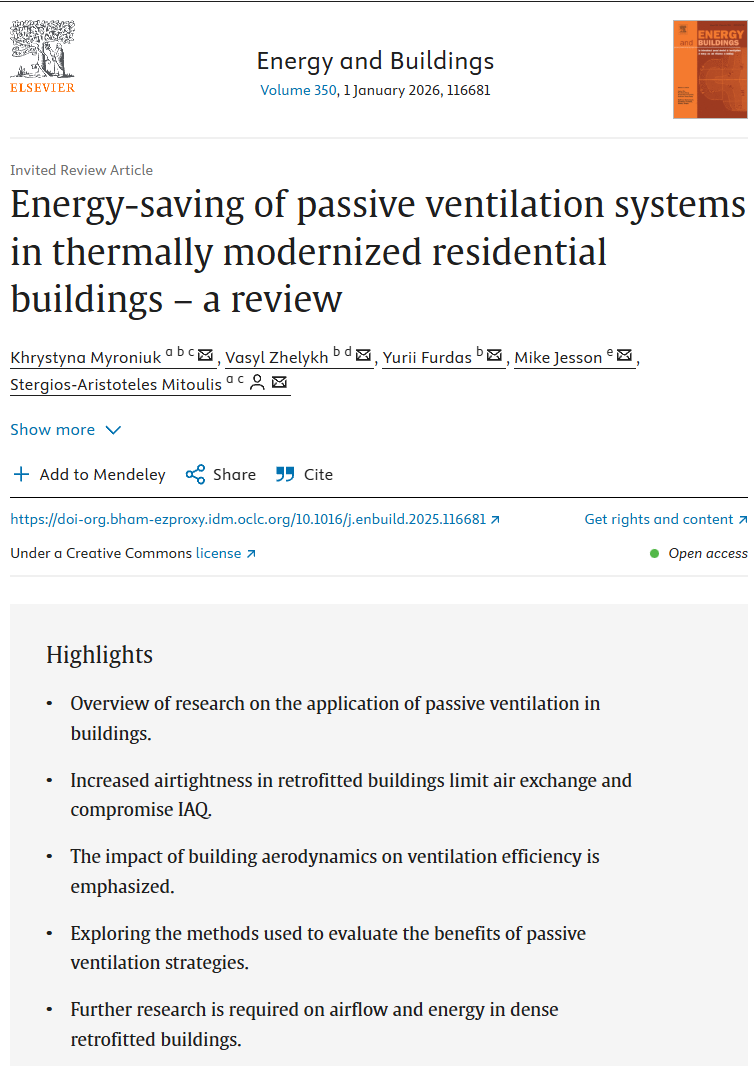
This review article introduces a systematic and integrated framework for passive ventilation in thermally modernized and nearly zero-energy residential buildings, combining:
- Climate-responsive building aerodynamics
- Hybrid passive ventilation strategies
- Digital design and evaluation using CFD, Building Energy Simulation (BES), and experimental validation
The paper demonstrates how passive and hybrid ventilation can achieve meaningful energy savings while maintaining indoor environmental quality — bridging the gap between traditional passive design and advanced digital modelling.
Open-access full paper:
https://www-sciencedirect-com.bham-ezproxy.idm.oclc.org/science/article/pii/S0378778825014112?via%3Dihub
Authors:
Khrystyna Myroniuk, Vasyl Zhelykh, Yurii Furdas, Mike Jesson, Stergios-Aristoteles Mitoulis
Affiliations:
¹ MetaInfrastructure.org
² Lviv Polytechnic National University
³ UCL Bartlett Faculty of the Built Environment
⁴ Lviv Polytechnic Energy Engineering Department
⁵ University of Birmingham
This research advances the development of next-generation, low-carbon ventilation solutions and supports the transition toward sustainable and climate-resilient housing.
4
Nov 25
Rethinking infrastructure design: from component failure to systemic resilience
MetaInfrastructure (in partnership with The Bartlett, UCL) is pleased to announce the publication of a new paper in Nature Communications: “Rethinking infrastructure design from component failure to systemic resilience.”
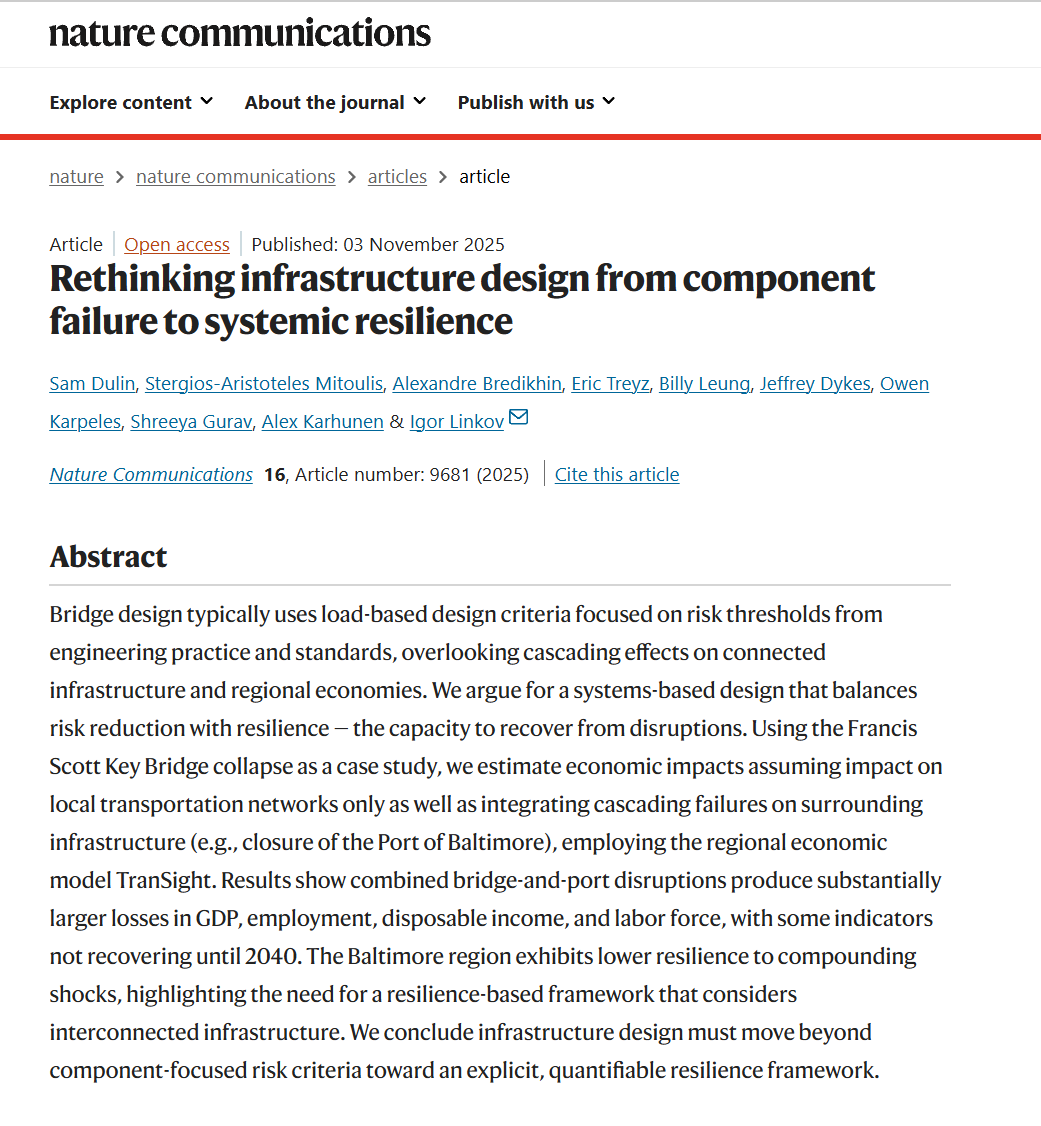
The study asks: Should all critical infrastructure be built equally? It argues that we must design and value infrastructure based on its systemic impact, geo-economic role, and recovery potential across interdependent systems.
Using the Francis Scott Key Bridge collapse (Baltimore) as a case study and the “TranSight” regional economic model, the paper shows that combined bridge-and-port failures generate substantially larger losses in GDP, employment and income, with some indicators not recovering until 2040.
The work marks a major shift from traditional load-based design standards to a resilience-based framework for critical interconnected infrastructure.
Read the full paper: https://www.nature.com/articles/s41467-025-64683-6
Thanks to all co-authors: Sam Dulin, Stergios-Aristoteles Mitoulis, Alexandre Bredikhin, Eric Treyz, Billy Leung, Jeffrey Dykes, Owen Karpeles, Shreeya Gurav, Alex Karhunen & Igor Linkov and to The Bartlett School of Sustainable Construction, UCL.
21
Sep 25
Our top researchers based on the Stanford-Elsevier list
published by the most influential Scientist: the Greek John PA Ioannidis et al. 2025
For the 4th consecutive year, three of MetaInfrastructure members have been recognised in the Stanford–Elsevier list of the world’s top-cited scientists (version 8, based on Scopus data up to the end of 2024).
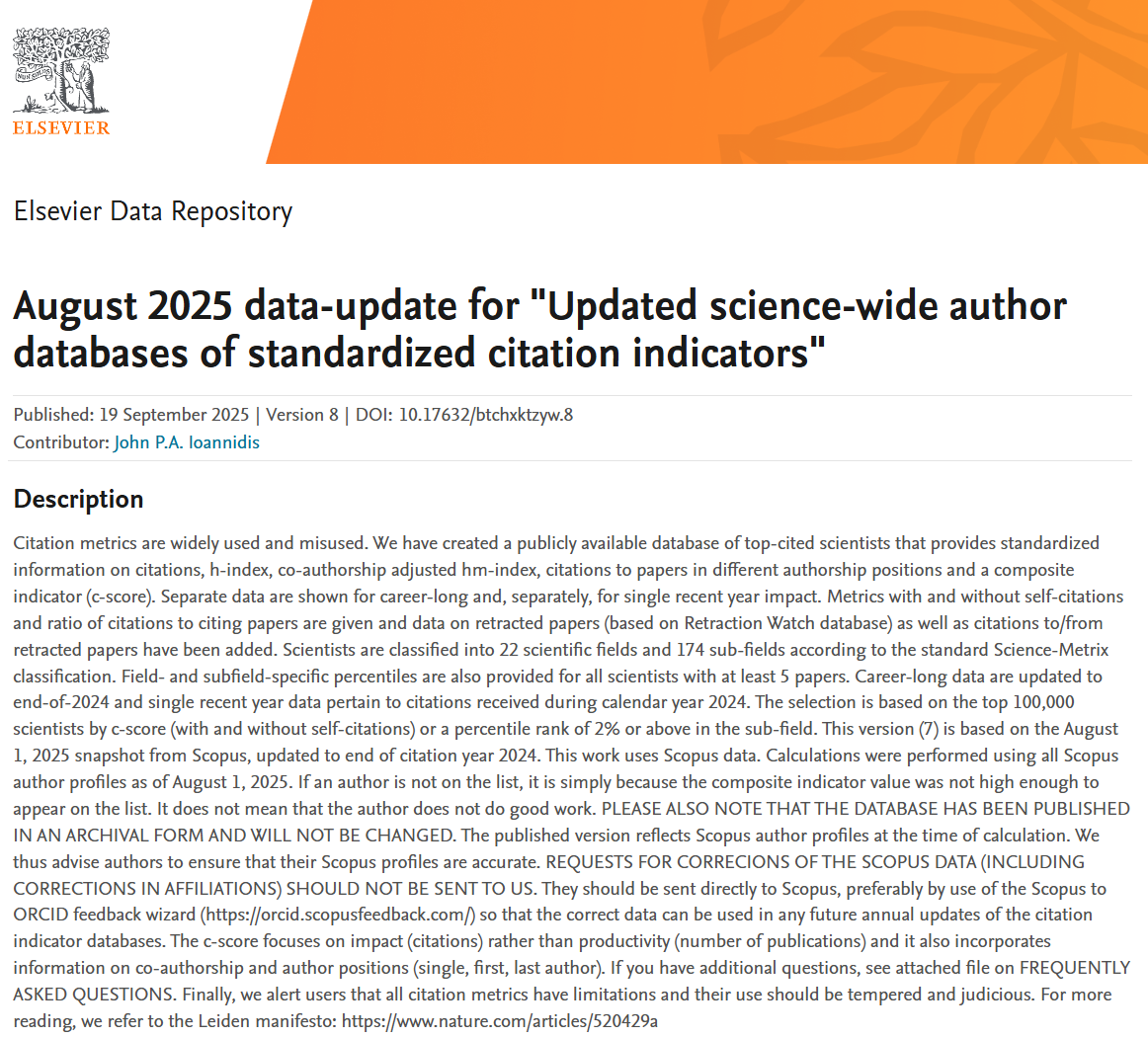
- Stergios-Aristoteles Mitoulis (Civil Engineering) — top 1% and also top career
- Sotirios Argyroudis (Strategic, Defence & Security Studies)— top 0.5% and also top career
- Ivan Izonin (AI & Image Processing)
This recognition highlights not only the scientific impact and sustained contributions but also the collective strength of our group in shaping knowledge across engineering, resilience and AI applications.
At MetaInfrastructure.org, we are proud to foster interdisciplinary research that connects resilience and sustainability of built environments, AI and advanced technologies with global societal needs.
15
Sep 25
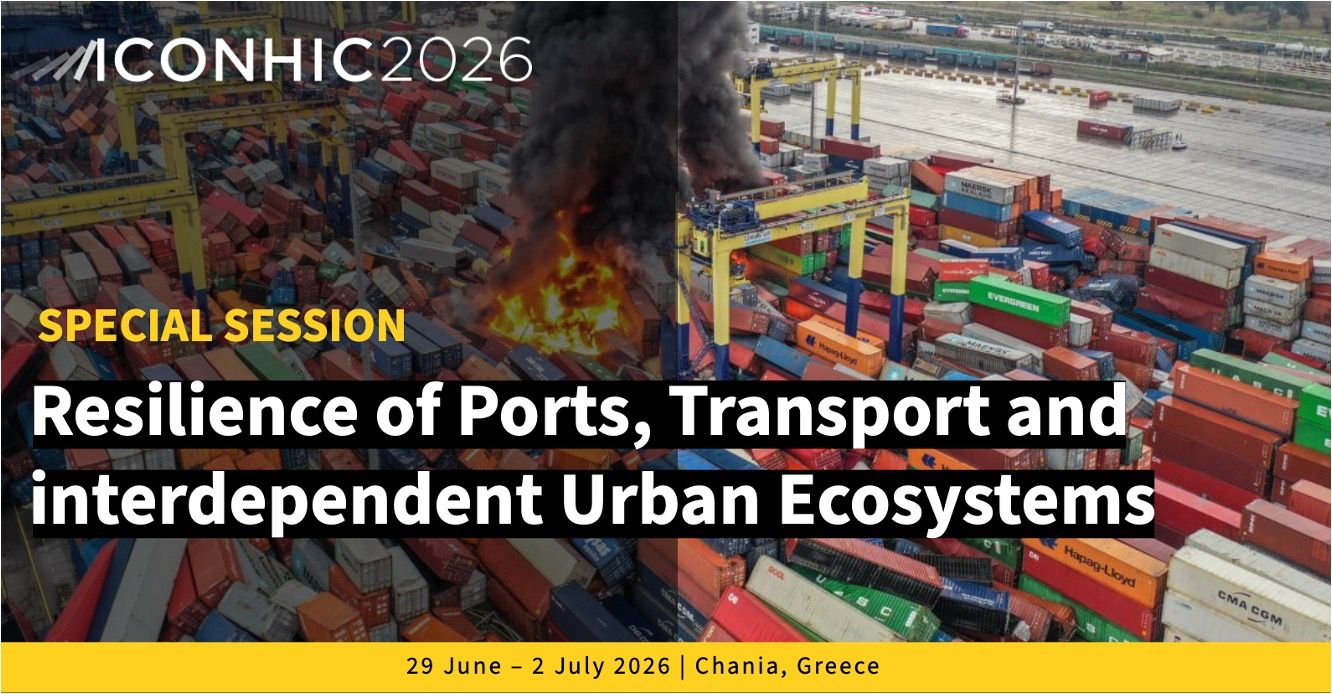
MetaInfrastructure co-organises themed session at ICONHIC 2026: Resilience of Ports, Transport, and Interdependent Urban Ecosystems
Greece — Chania, Crete — 29 June–2 July 2026
MetaInfrastructure is pleased to support a themed session at ICONHIC 2026 focused on holistic resilience approaches to enhance safety and minimise disruptions across ports, transport infrastructures, and their interdependent urban ecosystems.
Session focus
- Interconnected technical and socio-ecological dimensions
- Cascading and unpredictable failures
- Digital and communication platforms for resilience
Organising team
Co-organised with the PORTAL HORIZON MSCA-SE project by Dr Sotirios Argyroudis, Professor Stergios-Aristoteles Mitoulis, Professor Eugene O’ Brien, and Athanásia Kazantzí.
Key date
- Abstract submission deadline: 30 November 2025
Learn more & submit
- Session page (details & submission): https://iconhic.com/2026/session/resilience-of-ports-transport-and-interdependent-urban-ecosystems/
- Community/partners in the field (ISSMGE): https://www.issmge.org/
14
Sep 25
Professor Stergios A. Mitoulis concludes visit to Tongji University with resilience workshop in Shanghai
Shanghai, China — September 2025
Professor Stergios-Aristoteles Mitoulis, Professor at University College London (UCL), The Bartlett School of Sustainable Construction, concluded his academic visit to Tongji University with a workshop on Building Systemic Resilience.
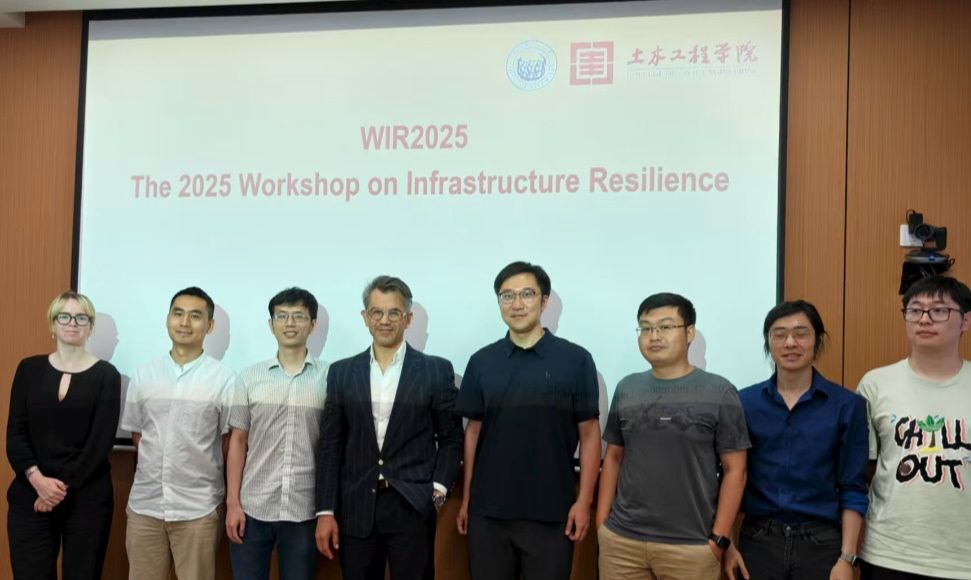
The workshop addressed critical aspects of resilience planning, including:
- Systemic and asset-specific resilience
- Costs of asset renovation and import dependencies
- Resource availability and compounding impacts
These discussions highlighted the importance of integrating economic and material considerations into resilience frameworks.
Professor Mitoulis expressed his appreciation to Professor Dongmei Zhang (Dean) and Professor Xiaowei Wang for their warm welcome and engaging discussions.

This workshop marked the conclusion of his activities in Shanghai before travelling to Torino, Italy, for the upcoming ARTISTE Conference on Infrastructure Resilience.
13
Sep 25
New review article on bridge damage characterisation using machine learning published in Results in Engineering
A new review article co-authored by Professor Stergios-Aristoteles Mitoulis (University College London, Bartlett School of Sustainable Construction), Francesco Pentassuglia, and Dr.Ivan Izonin, has been published in Results in Engineering (Elsevier).
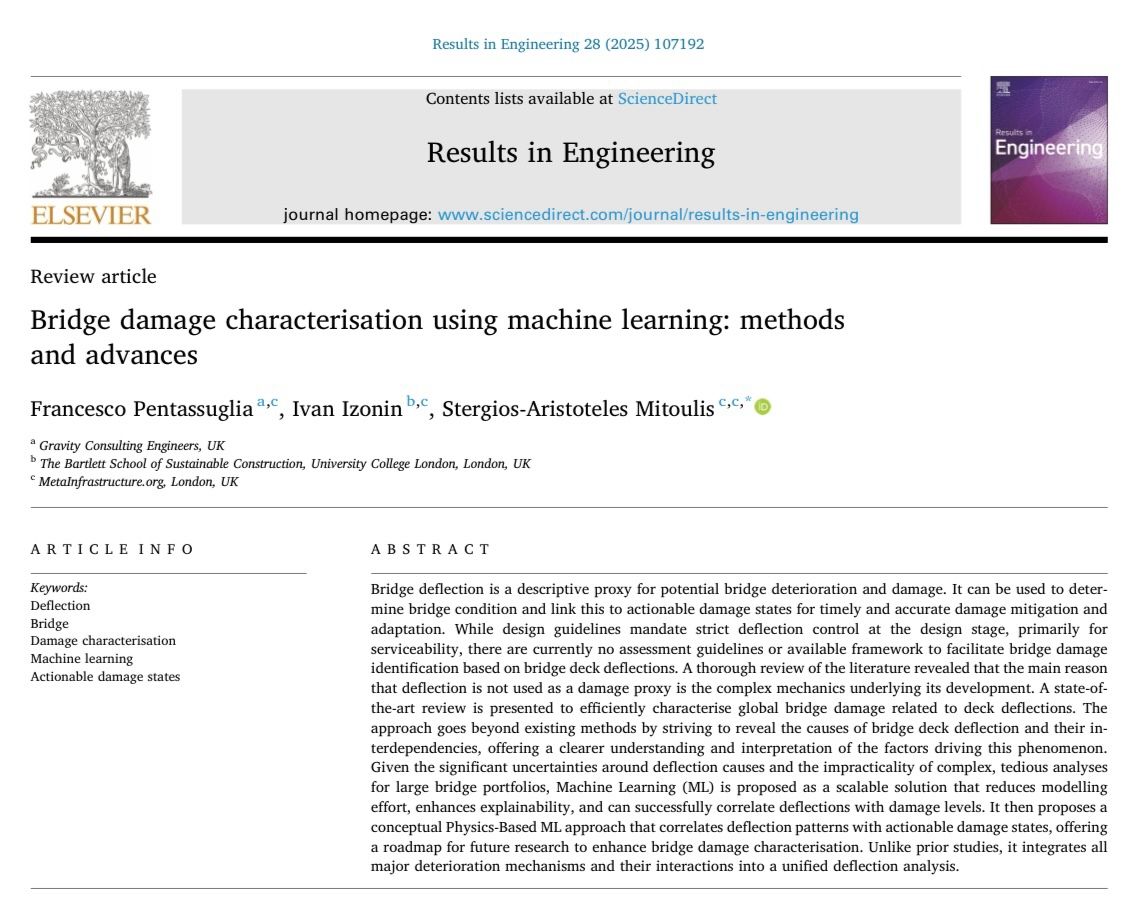
The article, titled “Bridge damage characterisation using machine learning: methods and advances”, presents a state-of-the-art overview of global bridge damage detection and highlights how machine learning (ML) can transform structural health monitoring through deck deflection analysis.
Key highlights include:
- A comprehensive review of bridge damage characterisation methods worldwide.
- A scalable ML approach that reduces modelling effort and improves explainability.
- A physics-based framework linking deflection patterns to actionable damage states.
This collaborative work showcases how AI and engineering can converge to enhance the resilience and reliability of bridge infrastructure.
Read the article: ScienceDirect link
11
Sep 25
Professor Stergios A. Mitoulis engages with Tongji University’s College of Architecture and Urban Planning on resilient and sustainable urban environments
Professor Stergios-Aristoteles Mitoulis, Professor at University College London (UCL), The Bartlett School of Sustainable Construction, visited the College of Architecture and Urban Planning (CAUP) at Tongji University for an exchange on resilient and sustainable urban environments.
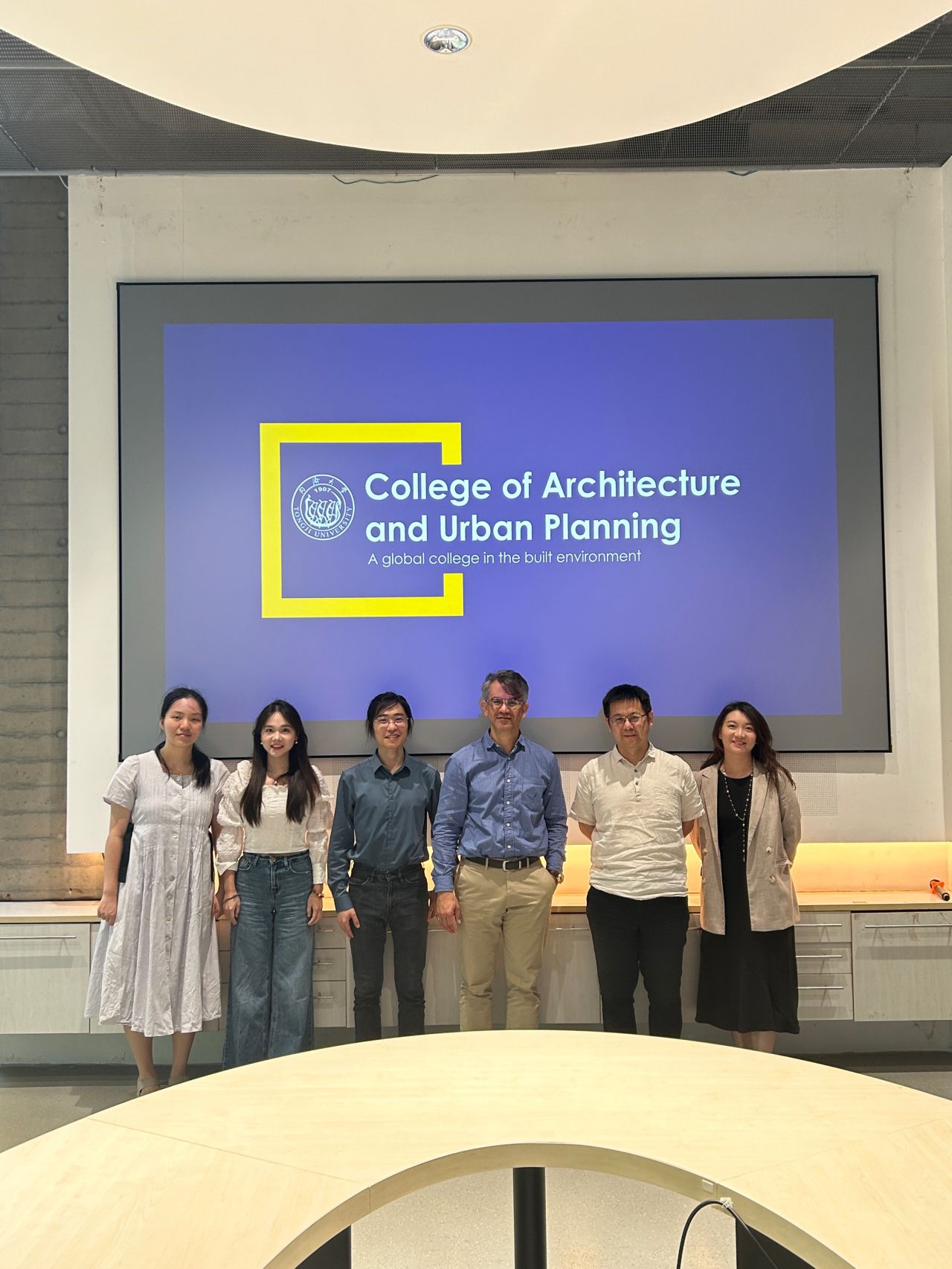
During the visit, Professor Mitoulis met with Professor Xing Shi and Professor Ariel Peixian Li, along with their colleagues and students, to explore innovative approaches to transforming built environments through sustainability and resilience.

He expressed appreciation for the warm welcome and stimulating discussions, noting his interest in building future collaborations between Tongji University and UCL’s Bartlett School of Sustainable Construction.
This visit reflects his continuing efforts to advance international collaboration at the intersection of resilience, sustainability, and urban planning, aligned with the mission of MetaInfrastructure.